Nepal OSSC project
Saving lives of mothers and newborns in Nepal
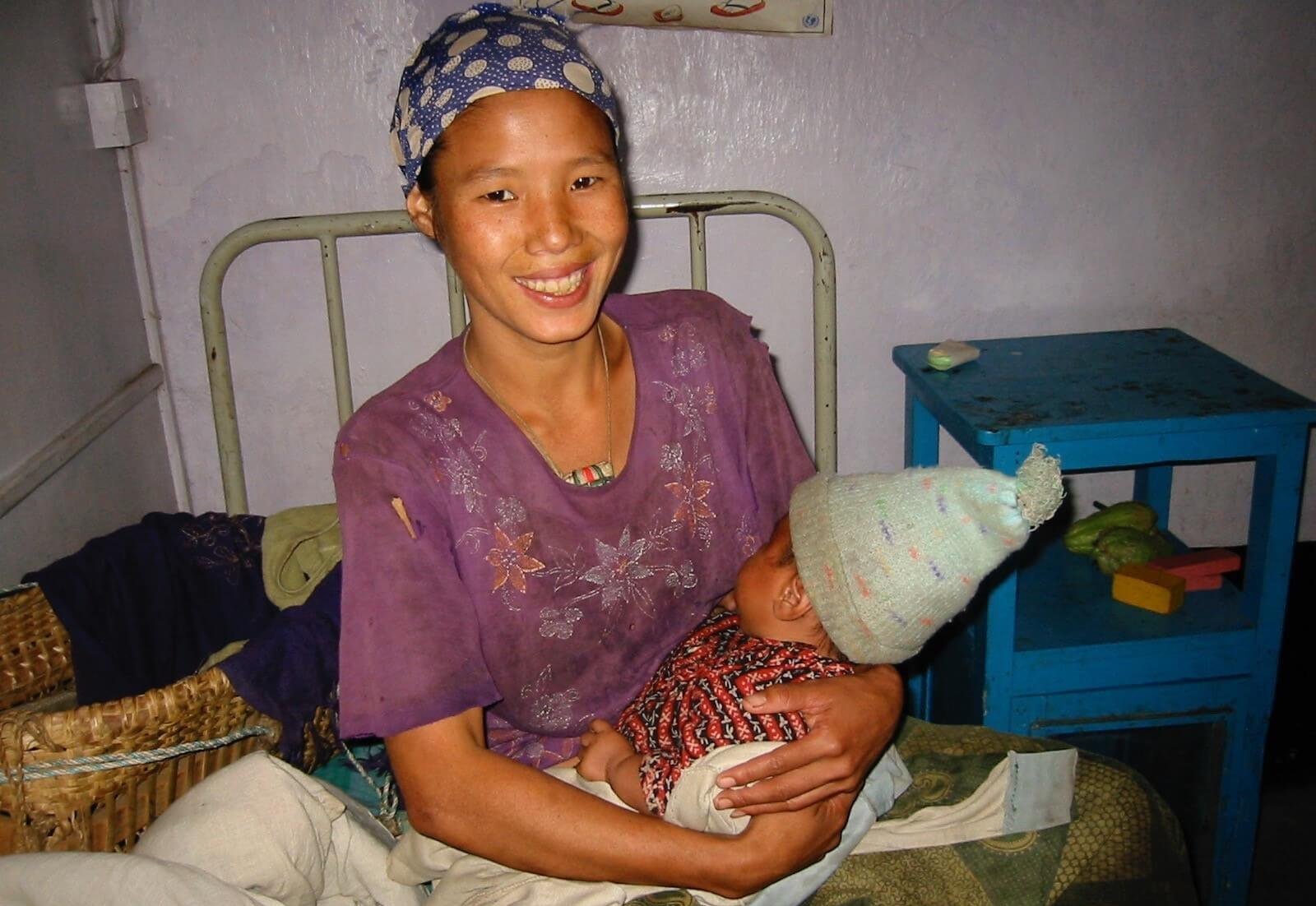
The project “Saving Lives of Mothers and Newborns in Nepal: Optimising Safe Surgical Care” (Nepal OSSC) focuses on improving outcomes for pregnant mothers and their babies in the remote province of Koshi by strengthening access to safe, timely, and appropriate caesarean sections.

Women in low- and middle-income countries are 100 times more likely to die from caesarean sections compared to women in high-income countries

Nepal has a maternal mortality ratio (MMR) of 151 maternal deaths per 100,000 live births, while in Koshi Province the ratio is 157, both far above the 2030 SDG target of 70

45% of maternal deaths in Koshi Province are linked to caesarean section, the highest in the country, showing the need to improve surgical safety
Our mission
The Nepal OSSC project aims to greatly reduce the number of mothers and newborns who die or suffer complications linked to caesarean section in Koshi Province.
Impact
Since the launch of this project, more than 58,000 mothers and newborns benefitted from improved quality of care in six facilities in Koshi Province. Our achievements include:
99%
WHO Surgical Safety Checklist adherence rose from near-zero to over 99%
8 in 10
women now receive a post-caesarean follow-up check, up from a baseline of none
95%
Early initiation of breastfeeding after caesarean rose to 95%
About the project
Caesarean sections are important surgeries that can save the lives of mothers and newborns when done safely and on time. Globally, caesarean sections could prevent nearly 100,000 maternal deaths and reduce newborn deaths by more than 30%. However, in low- and middle-income countries, caesarean sections often aren’t safe, with women facing mortality rates 100 times higher than in high-income countries.
Nepal has made good progress in maternal health, but the maternal mortality ratio is still 151 maternal deaths per 100,000 live births—far from the 2030 SDG target of 70. More women are giving birth in hospitals and access to caesarean sections has improved (from 1% in 1996 to 25% in 2022), but the safety of these surgeries hasn’t kept up. In 2023, 45% of all maternal deaths in Koshi Province were linked to caesarean section, raising safety concerns. Women in Nepal going through a caesarean section also suffer high rates of complications, such as surgical site infection. With the increase in caesarean sections and associated risks, there’s an urgent need to improve surgical safety.
Launched in July 2024, the 3-year “Nepal OSSC” project aims to build the capacity of local surgical teams in Koshi Province to ensure pregnant women have access to safe, timely, and appropriate caesarean sections. We plan to achieve this through evidence-based capacity building and mentorship. The project will begin at one main hospital and expand to three smaller facilities using a hub-and-spoke model. To support these efforts, each facility will receive the surgical supplies they need for safe caesarean sections. We plan to create a network of at least 10 mentors and train a minimum of 50 surgical team members, including obstetricians, surgeons, anaesthesia providers, scrub technicians, nurses, and midwives. Our goal is to improve the safety and quality of pregnancy care for the more than 10,000 births that happen each year in these facilities.


No mother or newborn should lose their life in the natural process of pregnancy or childbirth.
— Dr. Saroja Karki Pande
Immediate Past President, Nepal Society of Obstetricians and Gynaecologists (NESOG)
News and updates
Latest updates from our women’s health programme:

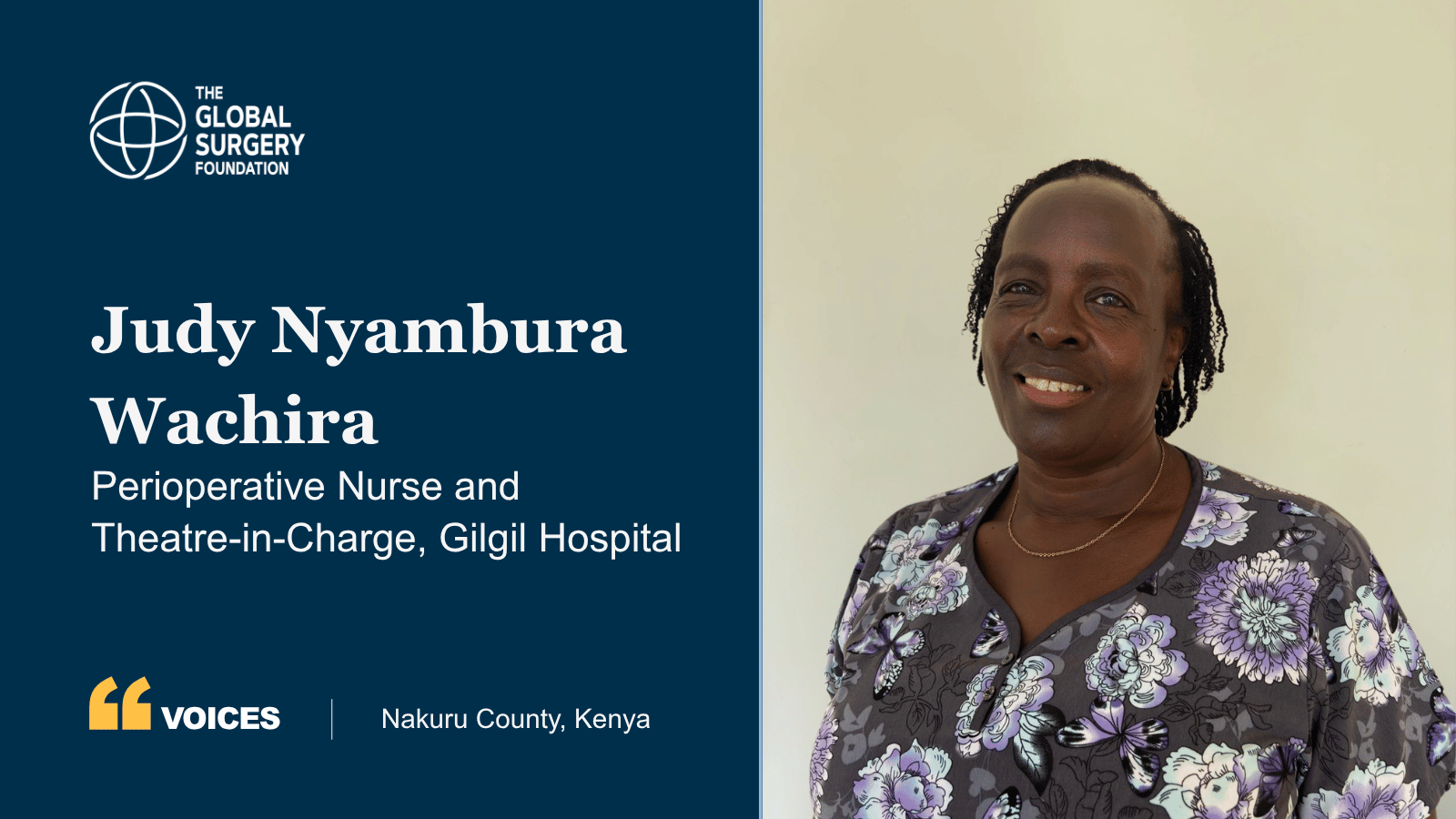
Our project partners
We work with local and international partners to make this locally-led project a success.


Our project team

Dr. Saroja Karki Pande
Immediate Past President,
NESOG
Abinash Upadhayay
Programme Officer, OSSC, NESOG


Sanjeev Sapkota
Administrative and Financial Officer, OSSC, NESOG
Dr. Kusum Thapa
Advisor, Women’s Health, GSF

Dr. Jean Chamberlain
Obstetrics Clinical Consultant, Women’s Health, GSF
Dr. Mélanie Samson
Senior Technical Officer, Women’s Health, GSF
Partner with us.
Accelerate access to surgical care for all women who need it.
Contact: m.samson@globalsurgeryfoundation.org